

Cardiovascular exercise is celebrated for burning calories, boosting endorphins, and enhancing heart health. However, more isn't always better. Overtraining can lead to burnout, diminished returns, and injuries. This guide explores healthy cardio levels, warning signs of overexertion, and how to optimize your routine for maximum benefits without the risks.
What Is Cardio and Why It Feels So Good
Cardiovascular exercise, also known as aerobic exercise, elevates your heart rate and increases oxygen circulation throughout your body. Common forms include running, swimming, cycling, dancing, hiking, and rowing.
The psychological benefits are significant. Cardio triggers the release of endorphins—neurochemicals that create feelings of pleasure and euphoria often called a "runner's high." Simultaneously, it reduces stress hormones like cortisol and adrenaline. The increased blood flow to the brain enhances mental clarity and mood while boosting serotonin and dopamine levels, which combat anxiety and depression.
Many find the rhythmic nature of steady-state cardio meditative, providing a healthy outlet for processing emotions and achieving calm.

12 Scientifically-Backed Benefits of Cardio Workouts
Beyond mood enhancement, cardio offers extensive physiological benefits:
- 1.Heart and Circulatory Health: Strengthens the heart muscle, improves blood flow, reduces blood pressure, lowers resting heart rate, and improves cholesterol profiles by reducing LDL ("bad") cholesterol while increasing HDL ("good") cholesterol.
- 2.Weight Management: Creates a calorie deficit during and after exercise through the "afterburn effect" (Excess Post-Exercise Oxygen Consumption) and boosts metabolism.
- 3.Improved Lung Capacity: Enhances respiratory efficiency and oxygen intake while strengthening breathing muscles.
- 4.Better Sleep: Promotes deeper, more restorative sleep by regulating circadian rhythms, helping you fall asleep faster and reducing nighttime awakenings.
- 5.Reduced Disease Risk: Lowers the risk of Type 2 diabetes, certain cancers (colon and breast), stroke, cardiovascular disease, and metabolic syndrome.
- 6.Mental Health Improvement: Alleviates symptoms of anxiety and depression through endorphin release, with studies showing it can be as effective as medication for mild-moderate depression.
- 7.Increased Energy: Reduces fatigue by improving oxygen delivery throughout the body, making daily tasks feel easier.
- 8.Enhanced Cognitive Function: Increases blood flow to the brain, improving memory, focus, and concentration while supporting neuron health and reducing dementia risk.
- 9.Stronger Immune System: Moderate cardio circulates immune cells, reduces inflammation, and clears bacteria from airways.
- 10.Increased Bone Density: Weight-bearing exercises like running and jumping rope promote new bone formation and reduce bone loss, particularly beneficial for preventing osteoporosis.
- 11.Improved Insulin Sensitivity: Helps muscles use glucose more efficiently, lowering blood sugar and reducing insulin resistance.
- 12.Longevity: Reduces all-cause mortality and enhances functional independence in later years.
Recognizing the Signs: How to Know When You're Overdoing Cardio
Finding your optimal cardio volume requires listening to your body. Watch for these signs of overtraining:
Table: Common Signs of Overtraining
| Physical Signs | Mental & Emotional Signs |
|---|---|
| Persistent fatigue & sluggishness | Mood changes & irritability |
| Decreased performance | Lack of motivation |
| Elevated resting heart rate | Insomnia or disrupted sleep |
| Chronic muscle soreness | Difficulty concentrating |
| Increased injury frequency | Feelings of depression |
| Weakened immune system | Loss of enjoyment in exercise |
How Much Cardio Is Right For You?
The Centers for Disease Control and Prevention (CDC) recommends at least 150 minutes of moderate-intensity or 75 minutes of vigorous-intensity aerobic activity weekly for most adults. Break this into manageable sessions, such as 30 minutes five days weekly or 25 minutes three days weekly.
Cardio intensity can be measured using the "talk test":
- Moderate intensity: You can talk but not sing
- Vigorous intensity: You can't say more than a few words without pausing for breath
James Carter, a senior fitness specialist with Wenoker with over 10 years of experience, notes: "I've observed that individualization is key. An athlete training for an event might tolerate more volume, while beginners should start conservatively. The 10% rule—increasing intensity or duration by no more than 10% weekly—helps prevent overuse injuries."
The Importance of Balancing Cardio With Strength Training
A well-rounded fitness routine incorporates both cardio and strength training. While cardio improves heart health and endurance, strength training builds muscle mass, increases metabolic rate, and supports joint health.
"The quality of your cardio matters more than the quantity," emphasizes Carter. "Intense, shorter sessions can be more effective than moderate, hour-long workouts. Balance is crucial—excessive cardio can break down muscle tissue, undermining strength training efforts."
Google's algorithms increasingly prioritize user experience signals, including whether content demonstrates topical expertise and provides a satisfying user experience. This aligns with the emphasis on balanced, quality information.

How to Integrate Healthy Cardio Into Your Workout Routine
- 1.Start Gradually: If you're new to cardio, begin with shorter, less intense sessions, allowing your cardiovascular system to adapt over several weeks.
- 2.Mix Modalities: Rotate between different cardio forms (rowing, swimming, cycling) to prevent overuse injuries and boredom.
- 3.Schedule Strategically: Plan specific days for cardio, interspersing rest days or strength training for recovery.
- 4.Listen to Your Body: Adjust time, intensity, or frequency based on how your body responds.
- 5.Track Progress: Monitor workouts to avoid overtraining, progressively increasing intensity by 5-10% weekly.
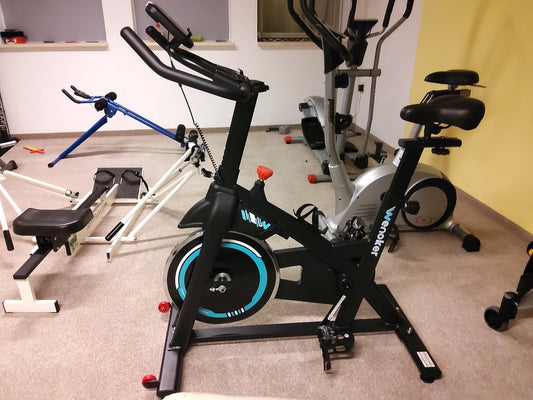
Technology can optimize your regimen. "Equipment like the Wenoker Performance Bike uses AI to track performance and adjust workouts based on fitness levels, ensuring appropriate intensity without overexertion," says Carter.
Cardio Optimization: Tips & Mistakes To Avoid
- DO find activities you enjoy to maintain adherence—the most critical factor in long-term fitness success.
- DON'T skip strength training—cardio alone doesn't build balanced muscle development.
- DO maintain proper form during cardio to maximize effectiveness and prevent injury.
- DON'T neglect hydration—drink water before, during, and after workouts, considering electrolytes for longer sessions.
- DO prioritize recovery—this is when your body repairs itself and adaptations occur.
- DON'T compare yourself to others—focus on your own progress and improvements.
Frequently Asked Questions (FAQ)
What are the most common signs of overdoing cardio?
Persistent fatigue, decreased performance, elevated resting heart rate, chronic muscle soreness, insomnia, appetite changes, and mood disturbances. Women may experience irregular menstrual cycles. If noticed, reduce cardio volume and prioritize recovery.
What is the 30-30-30 rule for cardio?
This approach suggests consuming 30 grams of protein within 30 minutes of waking, followed by 30 minutes of low-intensity steady-state cardio. While not a magic formula, it may help boost metabolism when combined with overall daily activity.
Can too much cardio cause belly fat?
Excessive cardio can increase cortisol levels, a stress hormone that promotes abdominal fat storage. Cortisol also increases appetite and cravings. Balancing cardio with strength training and proper nutrition helps prevent this effect.
How often should I change my cardio routine?
Vary your activities every 4-6 weeks to prevent plateaus, overuse injuries, and maintain motivation. Our Wenoker experts recommend cyclical training periods with intentional recovery phases.
Is fasted cardio more effective for fat loss?
Research is mixed. While fasted cardio may increase fat utilization during exercise, total daily calorie balance remains most important for fat loss. Individual tolerance varies—some experience lightheadedness without pre-workout nutrition.

Expert Insight From Wenoker's Senior Fitness Coach
James Carter, Wenoker's senior fitness coach with over a decade of experience, shares his perspective: "The most successful clients I've worked with understand that fitness is a marathon, not a sprint. They prioritize consistency over intensity, listen to their bodies, and embrace recovery as part of the process. Smart training beats hard training when it comes to long-term results and sustainability."
"At Wenoker, we emphasize heart rate zone training to help clients optimize their cardio intensity. Spending time in different zones—from fat-burning to peak effort—ensures comprehensive cardiovascular development without overstressing the body."
Conclusion: Finding Your Personal Cardio Sweet Spot
Optimal cardio varies by individual based on age, fitness level, goals, and overall health. The key is balancing challenge with recovery to reap cardiovascular benefits while avoiding overtraining.
Quality consistently outweighs quantity in cardiovascular training. As Google's algorithms evolve to prioritize user-centric, authoritative content, similarly, your fitness approach should emphasize sustainable, evidence-based practices.
"Progressive overload principles apply to cardio as they do to strength training," reminds Carter. "But progression should be gradual and periodized. The greatest results come from consistent, mindful practice—not from pushing to extremes."
By recognizing your body's signals, following evidence-based guidelines, and balancing different training modalities, you can develop a cardio routine that enhances both health and performance for years to come.
Tags:
Previous
Cardio vs Strength Training:Guide to the Perfect Fitness Balance
Next
Rowing Machine Weight Loss: Your Ultimate Guide to Burning Calories & Fat
Related articles



-
Nov 14 2025
Train Smarter, on Your Wenoker Exercise Bike

-
Nov 11 2025